
The transition from fluorescent (Low Intensity Discharge Lighting) to LED (Light Emitting Diodes) has been one of the most impactful developments in the lighting industry in recent times. Much like the earlier move from wire-wound ballasts to electronic high-frequency (ECG) for fluorescent lighting, the initial reaction to LED was met with some scepticism. The key motives for the switch were to improve lumens per watt and achieve greater lumen maintenance over time, with reduced lumen mortality. However, the initial LED packages –modules and drivers, often did not outperform well-designed optically efficient T5 luminaires.
.jpg)
At the outset, luminous efficacy from LED boards and diodes fell below the 100 lm/W mark, but rapid development and technological advancements, quickly pushed these figures higher. Early generation LEDs often suffered from issues like significant colour shift and thermal instability, largely due to limited understanding around heat dissipation and heat sinking. Additionally, compact luminaire designs – such as LED panels – left minimal room for thermal management, which compounded the challenges.
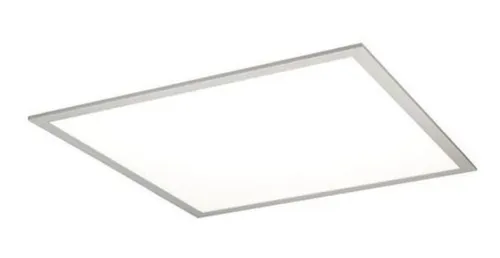
In the initial transition from standard T5/HID to Modular, linear luminaires and discharge fixtures, the adaptation to accommodate the new age light sources – LEDs and drivers, was in some cases a fundamental compromise, and the importance of LED hiding/discomfort glare was not fully appreciated or addressed. However, as diode efficiency and colour stability improved, purpose-built luminaires started to appear. These were designed around the LED module itself – often featuring custom engineering – and paved the way for one of the most important elements in modern luminaire design: optics.

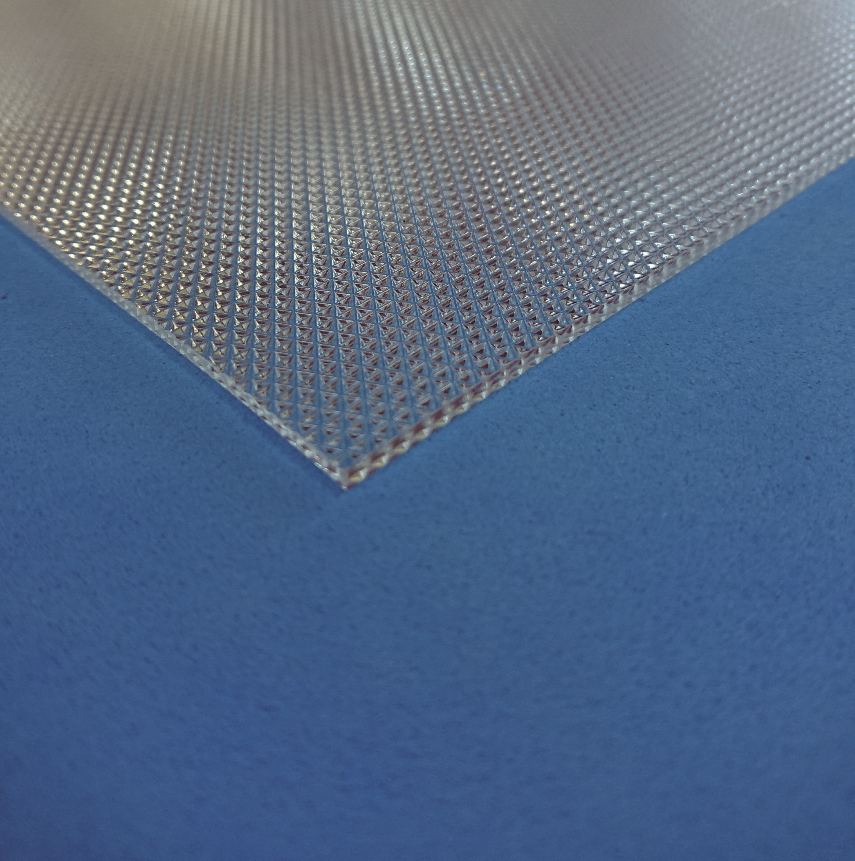
Some OEMs initially addressed point-source glare by simply hiding the intensity of the diode or module to reduce discomfort glare, while this reduced glare, it also diminished efficiency. In fact, using low transmission diffusers to block LED intensity often resulted in a higher energy consumption than that of the traditional T5 luminaire to be replaced.
The breakthrough came with optical innovation – both linear and symmetric optics, along with diode collimation. These advancements delivered significant improvements in light control, distribution, and overall luminaire performance.
By managing the incident angle of light with precision, optics allowed for better visual comfort, lower Unified Glare Rating (UGR), and stronger aesthetics. With verified optical control, designers could now use both standard and custom optical solutions to enhance performance and scale.
A deeper understanding of thermal efficiency, along with adherence to updated standards and codes, resulted in improving longevity and more predictable performance outcomes. This, in turn, gave a clearer picture of luminaire performance and overall statistics.
With enhanced efficacies, luminaire efficiencies have dramatically improved since the introduction of LED light sources. As a result, lighting designers now have greater creative freedom to explore new lighting concepts, visual forms, and performance-driven innovations.
New materials for luminaire construction are also becoming viable, thanks to the compact nature of new light sources and continued optical advancements.
Until the next major breakthrough in lighting technology emerges, LED continues to shape and elevate the future of lighting.

